No Red Light Required
Come Around
To Traffic Circles
Traffic circles save lives, cut emissions, and keep traffic flowing, no red light required. We're here to help your community stop waiting and start circulating.
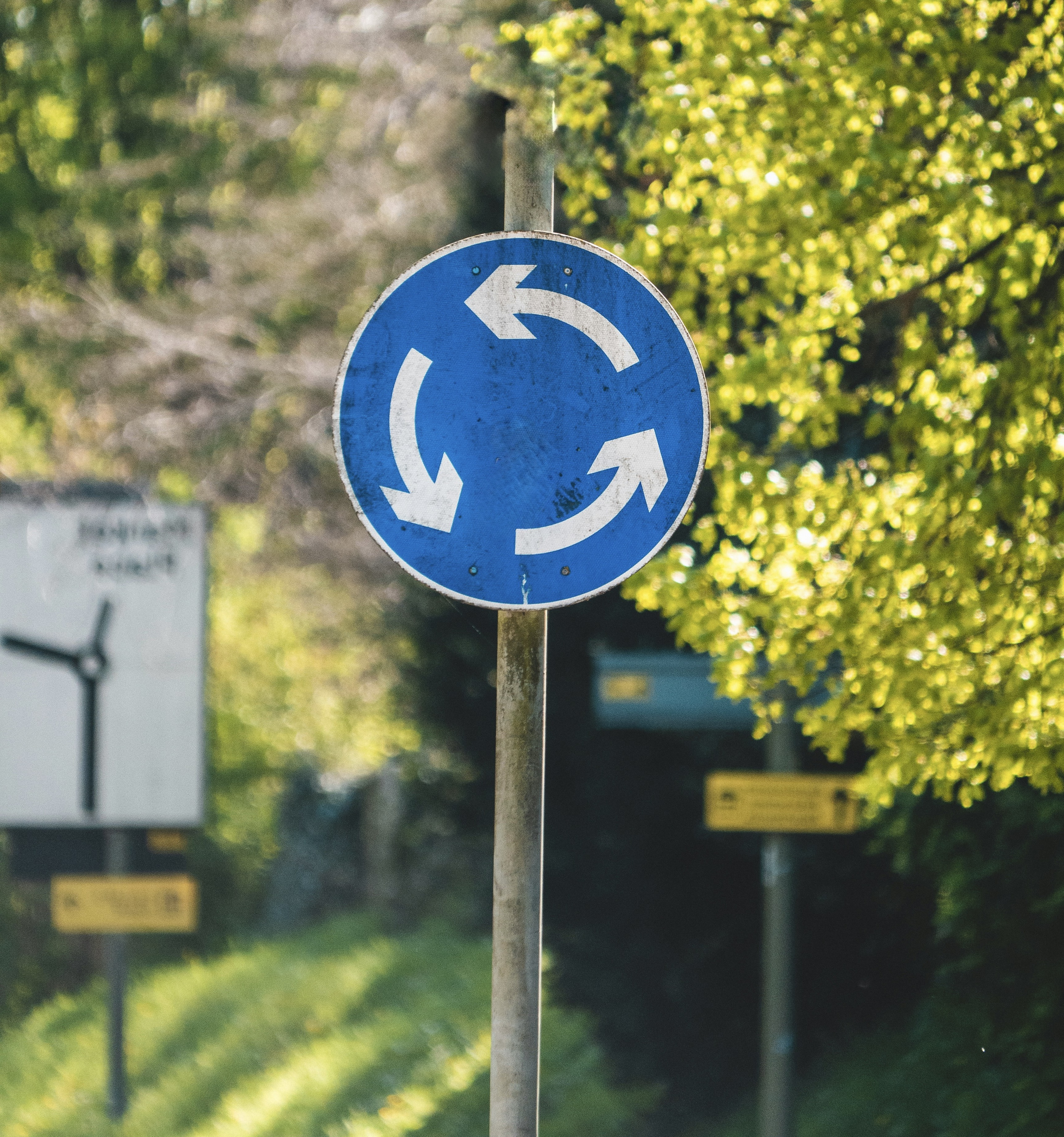
Traffic circles save lives, cut emissions, and keep traffic flowing, no red light required. We're here to help your community stop waiting and start circulating.
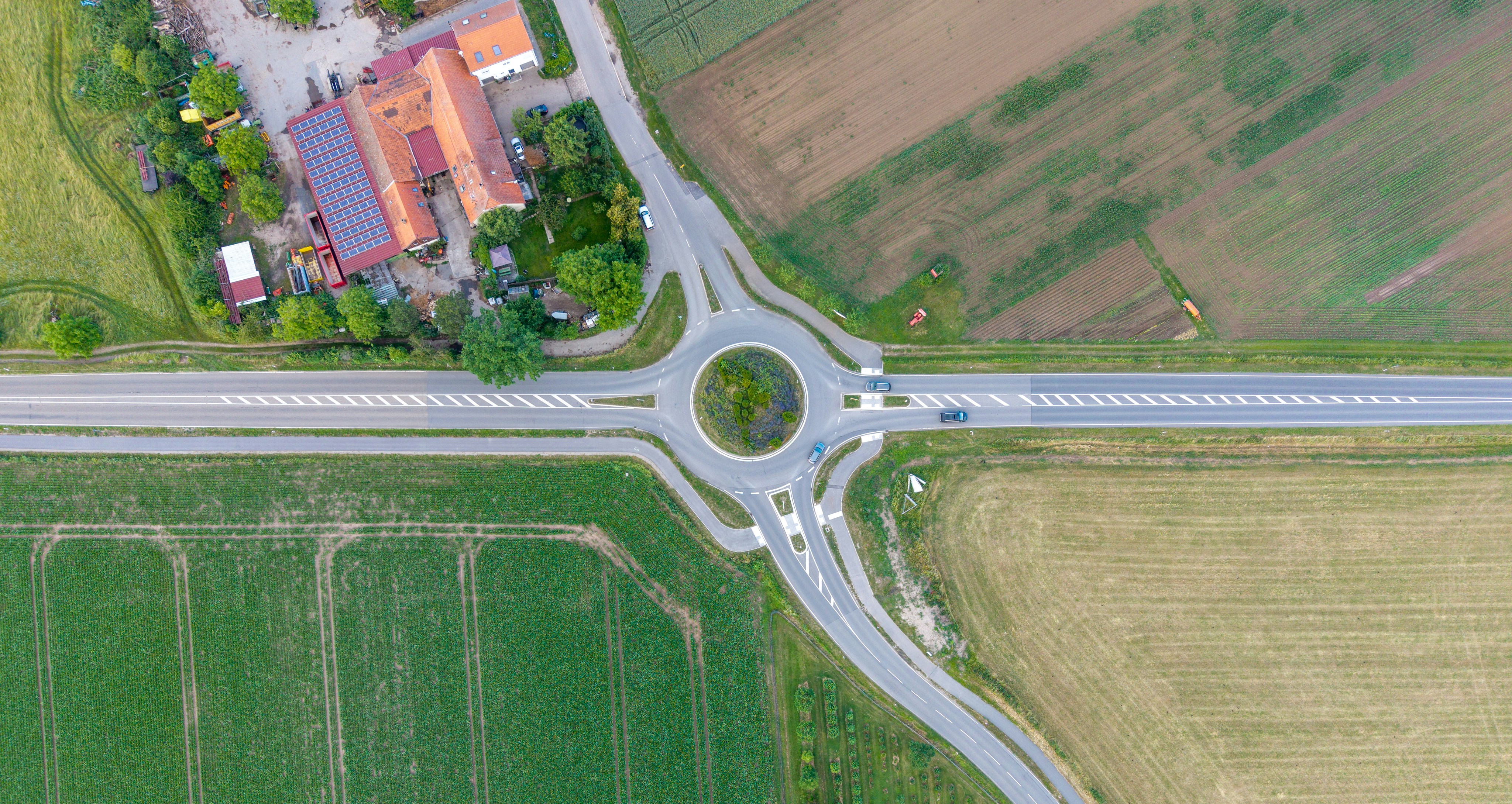
Traffic circles shine in specific situations, and we want your community to know exactly when that is.
Roundabouts convert dangerous T-bone and head-on collision points into low-speed, glancing-angle conflicts. Fewer conflict points, slower speeds, dramatically fewer serious injuries.
Moderate-volume intersections, especially those with balanced traffic from all directions, are the sweet spot. Cars keep moving instead of idling at a red light watching an empty cross street.
Traffic signals cost thousands per year to power and maintain. A roundabout's operating cost is mostly mowing the landscaping in the middle. (Bonus: it still works during a power outage.)
Entering a downtown or a neighborhood? A well-landscaped circle says "welcome, slow down, look around" in a way a signal pole never will.
Heavily unbalanced traffic flows, extremely high volumes better served by grade separation, tight urban footprints without space to build safely, or corridors with coordinated signal timing.
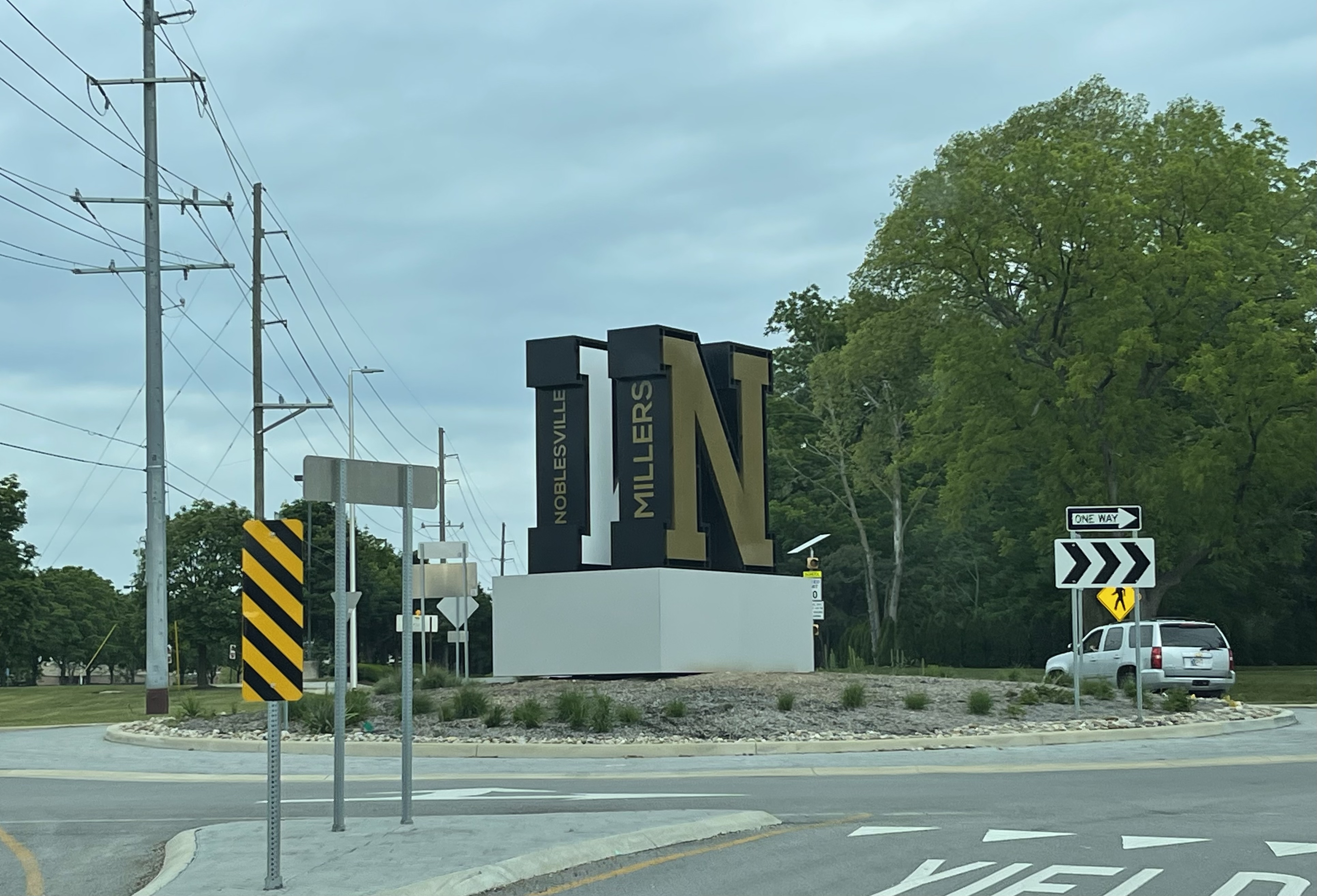
Carmel has replaced nearly all of its signals. The city reports major reductions in injury crashes at converted intersections, lower fuel consumption, and millions saved in signal operation costs. Mayor Jim Brainard made circles a civic identity, and property values near them didn't complain.
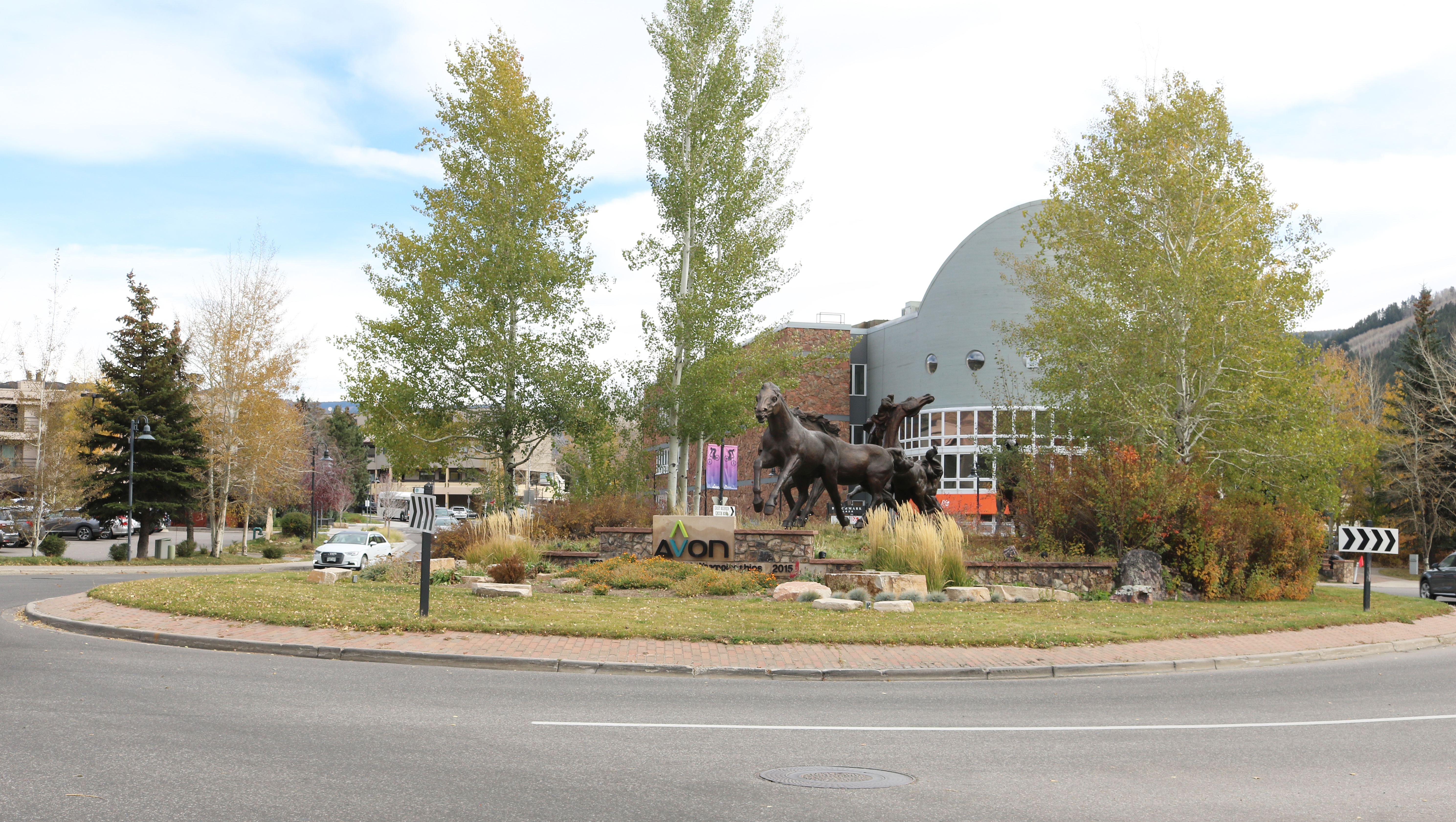
Golden installed a series of roundabouts along South Golden Road to calm a crash-prone corridor. Speeds dropped, serious crashes fell, and the corridor became friendlier to the businesses and pedestrians along it, an early U.S. proof that circles work on busy suburban arterials.
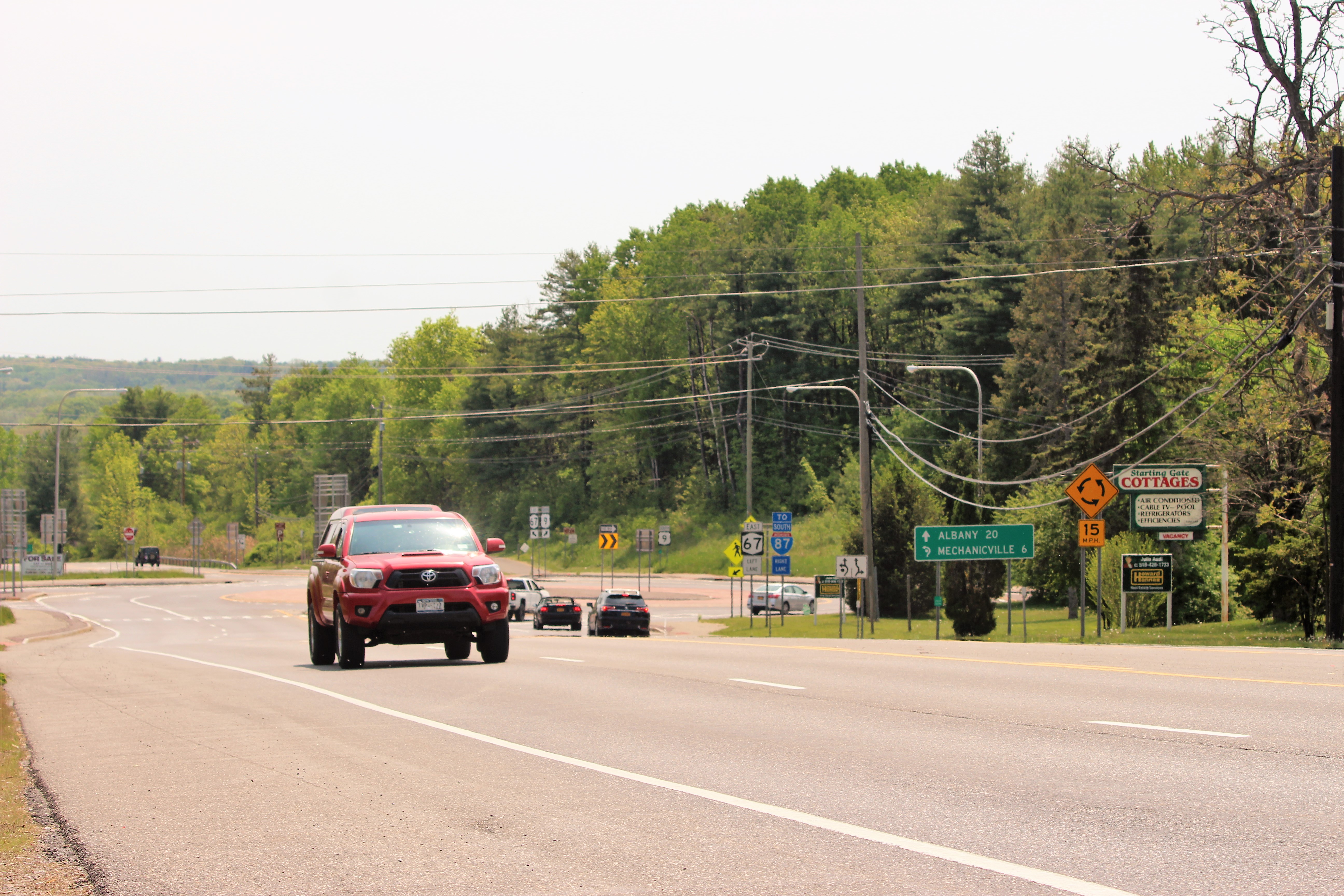
Malta built a network of roundabouts along Route 9 to handle growth from a nearby chip fab. Rather than a wall of signals, drivers flow through a corridor of circles, handling dramatically increased traffic volumes without the gridlock skeptics predicted.
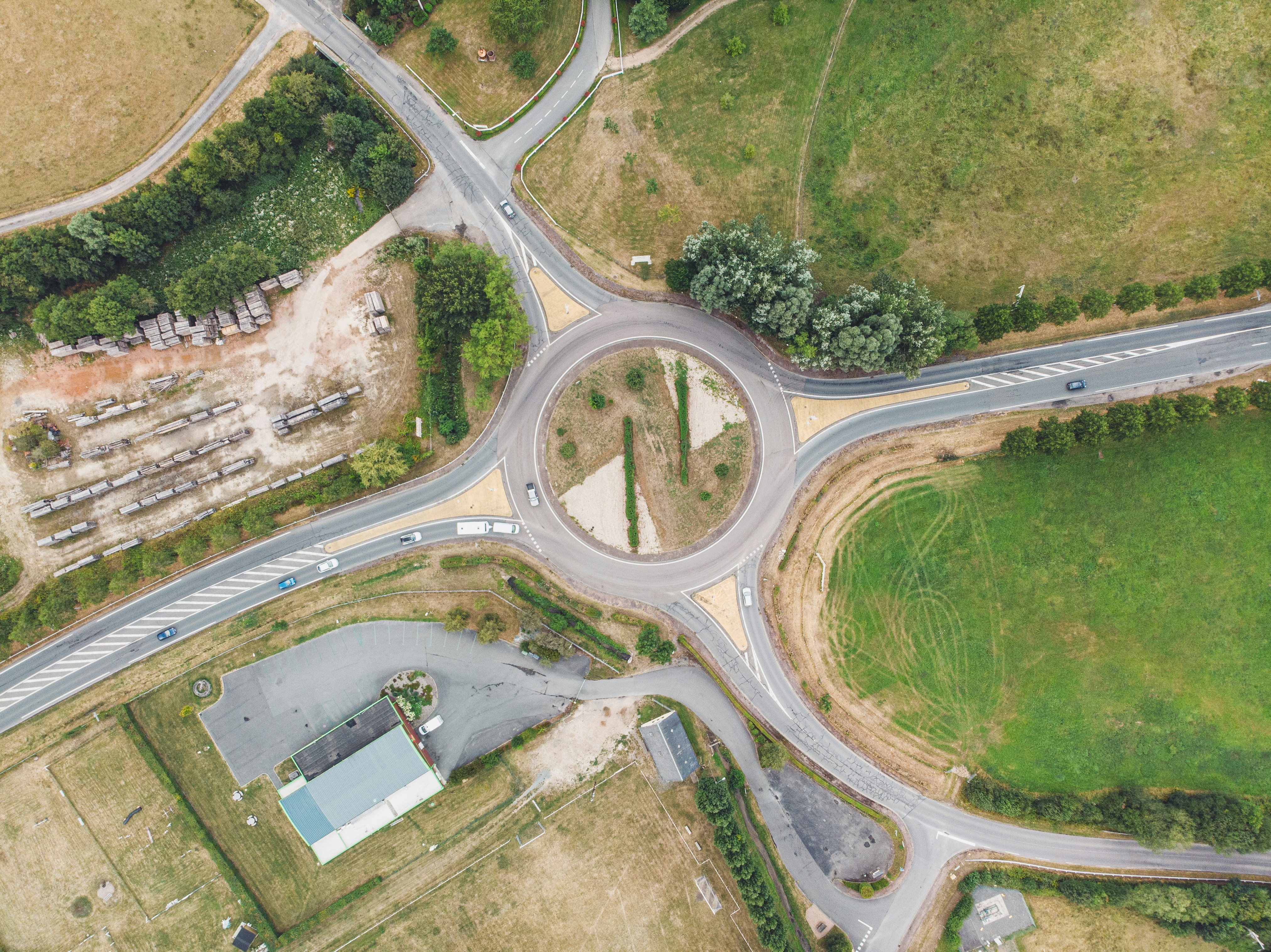
Kansas DOT's rural roundabout program converted high-speed, high-fatality rural intersections. When two-lane highways meet at 60 mph, a circle is often the difference between a close call and a catastrophe.
Yield to the left, enter when clear, exit at your street. That's the whole rulebook. Studies show driver confidence rises sharply within months of a roundabout opening. Communities that opposed them often end up requesting more.
Fender-benders can tick up slightly at first while drivers adjust. But serious and fatal crashes plummet, because nobody can T-bone you at 45 mph in a roundabout. We'll take a scraped bumper over a hospital visit every single time.
You slow down entering, but you rarely stop. Average intersection delay typically drops because nobody sits at a red light at 11 p.m. with no cross traffic in sight. It's not slower. It's smoother.
Modern roundabouts give pedestrians shorter crossings, refuge islands, and slower vehicle speeds. Crossing one lane of 15–20 mph traffic beats crossing four lanes of drivers gunning it on a stale yellow.
That gently sloped ring around the center island? It's called a truck apron, and it exists precisely so semis and fire engines can track through. Engineers thought of this. Engineers think of everything.
Carmel, Indiana has 150+ roundabouts and some of the safest streets in America. The modern roundabout is as American as, well, apple pie served on a round plate.
Look for the yield sign and the pedestrian crossing. Pedestrians and cyclists in the crosswalk go first. Always.
Vehicles in the roundabout have the right-of-way. If there's a gap, go. You don't need to stop if it's clear.
Once you're in, the circle is yours. Don't stop inside the roundabout. Counterclockwise, always. (This is non-negotiable and also the law.)
Use your right turn signal as you approach your exit. Missed it? No panic, just go around again. That's the beauty of a circle: there's always another lap.
Choose your lane before entering, just like a regular intersection: left lane for left turns and U-turns, right lane for right turns, either for straight through (check the signs). Never change lanes inside the circle.
You can't miss your exit in a roundabout. You can only postpone it.
No spam. Unsubscribing is easy, unlike making a left turn across four lanes of traffic.
Most local officials have never seen the safety data. You can fix that in three minutes. Pick a template, personalize it, and send it as an email to your representatives.
Fill in the brackets, then send it to whoever represents your district. Most city websites list council member emails under "Contact" or "Elected Officials."